

Finding the perfect template for your online store can feel like a bit of a quest. But don’t worry, we’re here to guide you through a selection of eCommerce themes that can really boost conversions.
A well-selected design not only elevates your brand image but also enhances the overall user experience.
Just think about it—an attractive online store has the power to turn casual visitors into dedicated customers.
High-performing templates are all about creating a smooth shopping experience that encourages purchases while keeping your audience engaged. Are you excited to explore effective themes that can take your store to the next level in driving eCommerce conversions with stunning online store templates?
Here are our top picks for you:
| Theme Name | Price | Key Features | Best For | Conversion-Boosting Features | Free Version? |
|---|---|---|---|---|---|
| Flatsome | $59 (ThemeForest) | UX Builder, quick view, product sliders, mobile optimized | Fashion, general stores | Fast checkout, sales banners, live search | No |
| Shoptimizer | $99 (CommerceGurus) | Speed-focused, distraction-free checkout, FOMO triggers | Conversion-focused eCommerce | Sticky CTAs, trust badges, countdowns | No |
| Astra | Free / Pro from $59 | Lightweight, pre-built WooCommerce templates, Elementor support | Any type of store | Optimized product pages, clean UX | Yes |
| Porto | $59 (ThemeForest) | Multi-purpose, speed optimized, built-in product filters | Tech, fashion, furniture | Advanced filter system, AJAX search | No |
| Kadence | Free / Pro from $59 | Modern layout, Gutenberg-ready, WooCommerce blocks | Beginner-friendly stores | Sticky add-to-cart, built-in reviews | Yes |
| WoodMart | $59 (ThemeForest) | AJAX filters, mega menus, product variation swatches | Electronics, furniture, large stores | Built-in upsell/cross-sell, fast AJAX features | No |
| Neve | Free / Pro from $69 | AMP ready, mobile-first, compatible with most builders | Small product stores | Fast loading, optimized mobile UX | Yes |
| Shopkeeper | $59 (ThemeForest) | Stylish product pages, catalog mode, WPBakery builder | Apparel, boutique, visual brands | Visual appeal, trust sections, intuitive cart | No |
| OceanWP | Free / Pro from $43 | eCommerce enhancements, multiple demos, Elementor support | Niche and general stores | Popup cart, quick view, floating bar | Yes |
| Botiga | Free |
Choosing Winning WooCommerce Themes
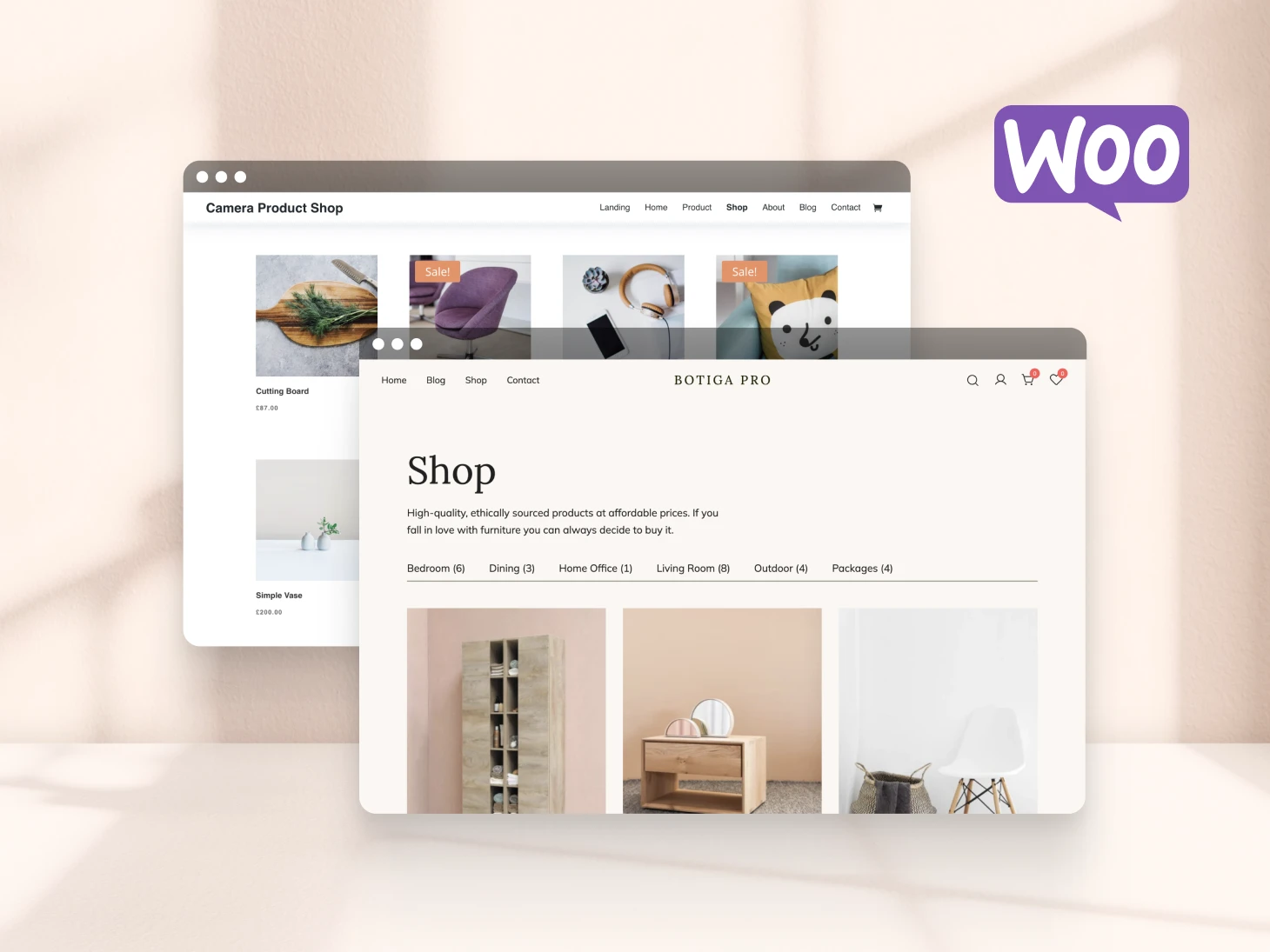
Choosing the ideal look for your online store can really set the tone for the entire shopping experience. You want a theme that captures the essence of your brand.
Think about how your logo, colors, and fonts come together to communicate your message.
These visual elements should speak to your audience, making their journey feel smooth right from the moment they click on your site.
Now, let’s dive into user experience.
A site that’s well-organized and boasts responsive design keeps visitors engaged and encourages them to explore. Fast loading times are non-negotiable—if a page takes too long to display, you might lose potential buyers.
Keep in mind that many shoppers prefer browsing on their phones, so a mobile-friendly setup is key to capturing their attention.
By focusing on responsive design, enhancing user experience, ensuring mobile-friendly interfaces, and allowing for customization, businesses can effectively drive sales optimization.
How Do Themes Affect Conversions
Your website’s appeal goes beyond just aesthetics; it plays a major role in how visitors interact with your offerings. Think about how a captivating product showcase can draw people in, boosting engagement and helping to minimize cart abandonment.
When shoppers feel reassured in their selections, they’re much more inclined to navigate through the checkout process smoothly.
Plus, themes designed with speed optimization in mind are key.
A nimble, SEO-friendly theme can enhance the overall user experience, keeping potential buyers intrigued and eager to explore further. Paying attention to these details can noticeably elevate your sales performance.
Transitioning from choosing the right WooCommerce themes, it’s essential to spotlight the importance of responsive design in eCommerce. A responsive theme ensures a seamless product showcase, an efficient checkout process, reduced cart abandonment, speed optimization, and SEO-friendly performance.
eCommerce Website Design
- Effective product showcases can increase user engagement and drive sales.
- Responsive design reduces cart abandonment by ensuring a smooth checkout process.
- Speed optimization in themes can significantly enhance user experience and retention.
- SEO-friendly themes improve search engine visibility, attracting more potential buyers.
Importance Of Responsive Design In ECommerce
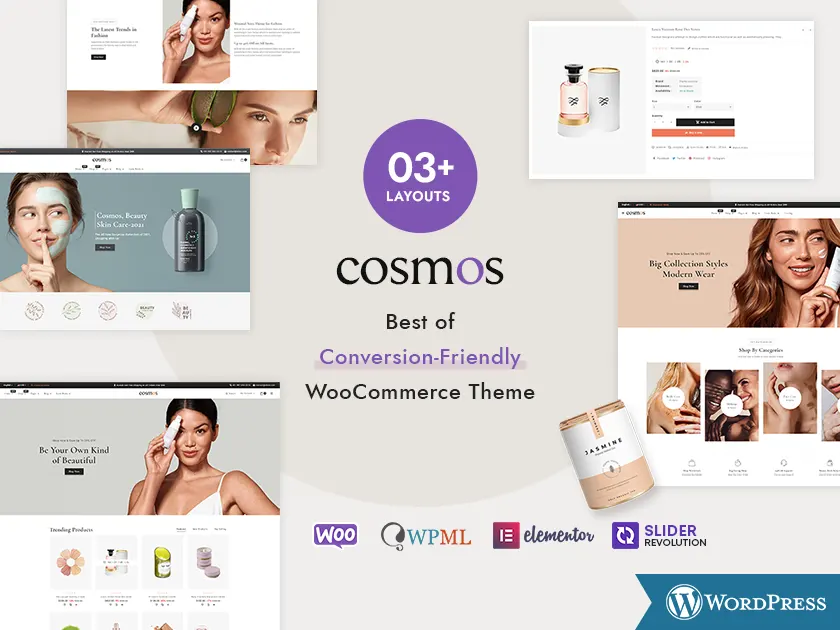
You’re browsing online for that perfect pair of shoes, but the site looks all jumbled on your phone. Frustrating, right? That’s where the idea of a site adapting to any screen comes in.
A well-crafted user interface ensures that your customers can easily navigate whether they’re on the go or lounging at home.
Did you know a staggering 57% of users are unlikely to recommend a business with a site that doesn’t play nice on mobile? Incorporating design flexibility allows you to maintain aesthetic appeal across various devices and screen sizes.
Plus, a site that works seamlessly helps boost performance and keeps your customers delighted throughout their shopping experience. As we transition to the next topic, think about how these elements tie into enhancing the overall experience for your online store.
The design flexibility of the user interface enhances its minimalist aesthetic appeal while ensuring optimal performance.
Enhancing User Experience For Online Stores
Every online retailer wants their customers to have a delightful time shopping. A seamless shopping experience can make all the difference between a one-time buyer and a loyal fan.
Did you know that 88% of online shoppers are less likely to return to a site after experiencing a bump in their journey? Users appreciate elements like visual hierarchy, which guides them effortlessly through product pages.
Fast loading times play a huge role too, ensuring customers don’t just get frustrated and leave.
Plus, keeping plugin compatibility across various platforms guarantees smooth interactions, letting visitors focus on what really matters: the products. Investing in captivating visuals not only enhances brand identity but also significantly boosts customer engagement through attractive product displays. It’s all about creating an environment where customers feel good about making a purchase through plugin compatibility, visual hierarchy, customer engagement, and a strong brand identity that enhances their overall shopping experience.
Online Shopping Experience
- 88% of online shoppers are less likely to return to a site after encountering issues during their shopping journey.
- Visual hierarchy helps guide users smoothly through product pages, enhancing their shopping experience.
- Fast loading times are crucial to prevent customer frustration and abandonment of the site.
- Investing in captivating visuals boosts customer engagement and strengthens brand identity.
Customization For Unique Brand Identity

Establishing a distinct presence in the marketplace means exploring what makes your brand stand out. Your digital storefront should resonate with your core values, creating a seamless connection between your visual identity and your mission.
This approach not only invites customers in but also fosters a deeper bond through design elements like color palettes and font choices, which can evoke powerful emotions.
Don’t overlook the importance of payment gateways; they play a significant role in shaping the overall shopping experience.
By effectively communicating your message, you can establish trust signals that truly resonate with your audience.
When considering customization options, envision how colors, fonts, and layout configurations can reflect your audience’s tastes. There are tons of tools and plugins available today to help tailor your theme and let your personality shine through. Remember, a successful e-commerce strategy hinges on integrating your digital storefront with reliable payment gateways, incorporating trust signals, utilizing analytics, and leveraging upselling features.
Speed Optimization For Better Performance
A slow website can really put a damper on your business. Research highlights that even a one-second delay can lead to a staggering 7% drop in conversions.
When you think about it, that’s a big deal—your bottom line takes a hit! On top of that, quicker loading times not only improve user experience but also pave the way for shining reviews and better retention rates.
Optimizing your images is a fantastic way to enhance performance.
By compressing them without sacrificing quality, you can significantly elevate your loading speeds.
Other techniques, like minifying CSS and JavaScript, also play a role in streamlining your site. When you combine these methods, your ability to boost lead generation becomes even stronger, turning your reviews, navigation, site speed, and marketing tools into powerful assets for attracting and converting leads.
| Impact of Website Speed | Optimization Techniques |
|---|---|
| 1-second delay = 7% drop in conversions | Image compression enhances loading speed |
| Improved user experience leads to better retention rates | Minifying CSS and JavaScript streamlines the site |
| Faster loading times contribute to positive reviews | Combined methods boost lead generation |
Mobile-Friendly Templates For Modern Shoppers

Shopping habits have shifted dramatically, and keeping pace can make all the difference. Templates designed for mobile users adapt seamlessly to various screen sizes, which makes each shopping experience smooth and enjoyable.
Consumers now expect a hassle-free journey, with shopping from their devices becoming the norm.
Did you know that over 50% of e-commerce traffic now originates from mobile devices? A well-optimized design can significantly improve your conversion rate, keeping customers engaged from the initial landing pages through to checkout.
Emphasizing easy navigation and effectively showcasing categories not only enhances user experience but also boosts sales. When considering speed optimization for better performance, remember that every second counts in retaining attention. And as you think about your sales strategy, leveraging analytics for further optimization can lead you to insights that refine your approach and drive conversion rate, enhance inventory management, utilize testimonials effectively, optimize landing pages, and categorize your offerings wisely.
Leveraging Analytics For Sales Optimization
Sales success often hinges on the ability to interpret and utilize data effectively. Analytics can transform how businesses approach their sales strategy by uncovering insights that drive growth.
For instance, when you tap into customer behavior trends, you can tailor your marketing efforts to resonate with your audience.
It’s intriguing to see how understanding preferences can not only enhance engagement but also ensure solid site security.
Imagine tracking conversion rates alongside average order values; it’s not merely about the numbers, it’s about fostering deeper connections with your customers. Every detail is significant, particularly with the competitive landscape constantly evolving.
To enhance your sales approach, consider focusing on key metrics.
Conversion rates are indicative of how effectively your sales funnel is performing. Similarly, keeping track of the average order value and customer lifetime value can inform your strategic decisions.
For instance, if you observe a boost in site security, theme builders, multidevice support, social media engagement, and email marketing effectiveness, it may indicate a successful strategy.

Sales Analytics
- Understanding customer behavior trends can lead to more effective marketing strategies.
- Conversion rates are a key metric for evaluating sales funnel performance.
- Average order value and customer lifetime value provide insights for strategic decision-making.
- Improvements in site security and engagement metrics can signal a successful sales strategy.
Conclusion
As we reach the end of our discussion, it’s clear that certain factors play a significant role in online store development. Choosing a responsive themes can impact everything, from user engagement to sales conversion.
A well-crafted design enhances product display and keeps visitors interested.
Think about how an intuitive layout simplifies navigation, making it easier for customers to find what they need, which ultimately boosts satisfaction.
Incorporating promotional features can drive more traffic and enhance user experience. These elements serve as a solid foundation for success.
So, what’s next for your store? Take the time to explore your options while keeping your audience in mind—you’re on the path to establishing an impressive online presence with effective content management, responsive themes, enticing product display, an intuitive layout, and promotional features that captivate customers.
Originally posted 2025-02-10 06:41:35.